Depression
Depression is more than temporary sadness — it's a treatable clinical condition that affects mood, energy, focus, and motivation. Learn the symptoms of depression, evidence-based treatments (especially CBT), and when to see a psychologist.
What Is Depression?
Depression is a mood disorder, not simply a passing feeling of sadness. Contrary to popular belief, it isn't a lack of willpower or an excuse — it's one of the most common, and most treatable, mental health conditions.
Symptoms of Depression
Depression typically involves a persistent feeling of sadness, hopelessness, or emptiness (most days, for at least two weeks). Other symptoms include a loss of interest in previously enjoyable activities, changes in appetite or sleep, fatigue and low energy, difficulty concentrating or making decisions, and in more severe cases, thoughts of worthlessness or self-harm.
Causes: A Multifactorial Condition
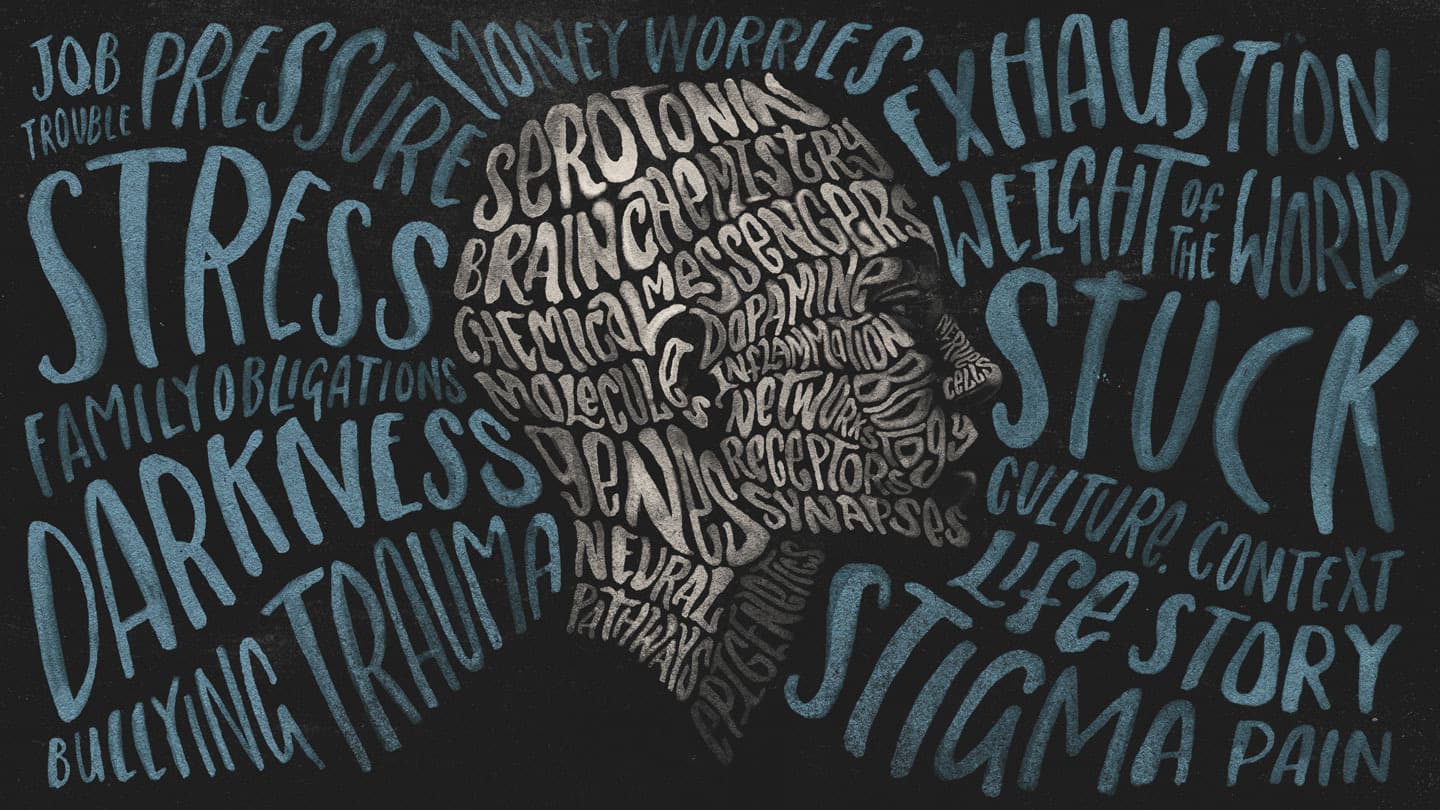
Depression usually results from a combination of biological, psychological, and social factors — not a single cause. Stressful life events, grief, hormonal changes, entrenched negative thinking patterns, and genetic predisposition can all play a role.
Evidence-Based Treatment
Cognitive Behavioral Therapy (CBT) is one of the most effective, well-researched treatments for depression. Its core idea is that distorted, negative thought patterns — such as overgeneralization or all-or-nothing thinking — play a significant role in maintaining depressed mood; by identifying and restructuring these thoughts, a person can gradually build healthier emotional and behavioral patterns. In moderate to severe cases, combining psychotherapy with psychiatric medication is often recommended. Encouragingly, research shows that roughly 80–90% of people who seek treatment for depression eventually respond well to it.
When to Seek Professional Help
If your sadness or lack of motivation has lasted more than two weeks, is interfering with your daily functioning, work, or relationships, or is accompanied by thoughts of self-harm, it's essential to see a clinical psychologist. Depression is not a sign of weakness — it's a sign that your mind and body need support.
If you're navigating "Depression" and would like professional support, you can book a consultation session.
Book a Consultation